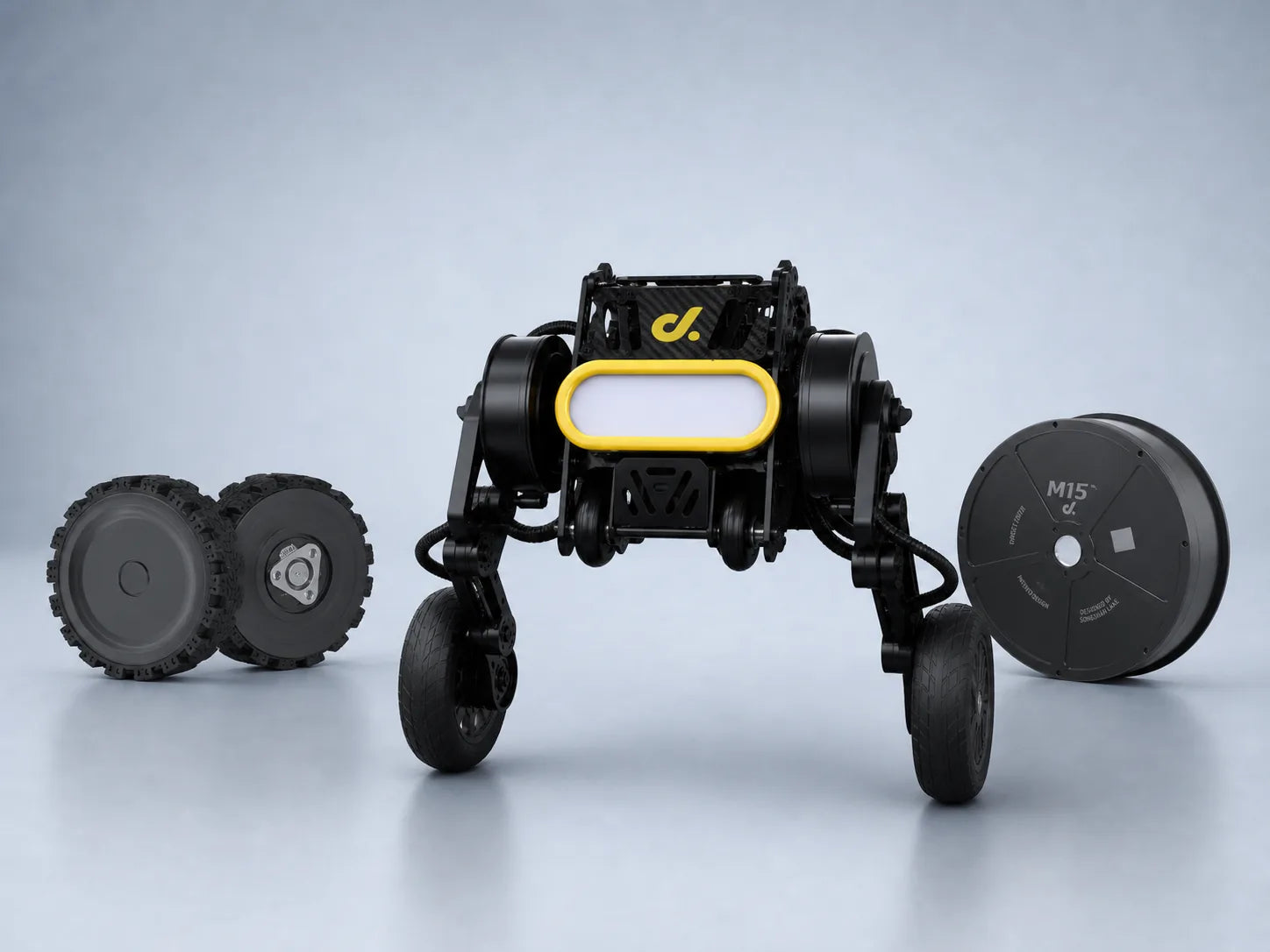
Research robot platforms typically require a budget of $10,000–$100,000 depending on the robot type, sensors, computing hardware, and software needs. A university mobile robot project may spend around 40%–50% of the budget on the robot base, 20%–30% on sensors, and 10%–20% on computing systems. Planning for accessories, maintenance, and future upgrades helps researchers build a reliable platform without unnecessary spending.
Research robot platforms are usually purchased for academic studies, AI development, autonomous navigation, industrial testing, and robotics education. The total cost is rarely limited to the robot itself because sensors, processors, batteries, software, and replacement parts are required for daily operation.
A basic mobile research robot designed for classroom use may cost between $1,000 and $10,000, while advanced research platforms with autonomous navigation and robotic manipulation functions can exceed $50,000. According to robotics market data from recent years, research institutions often allocate 30%–60% of their robotics budget to additional components rather than the main robot body.
A robot platform should be selected according to the research goal, required accuracy, operating environment, and expected development period. A lower-cost system with open interfaces may support more research projects than a high-priced platform with limited expansion options.
The first cost category is the robot platform itself. Mobile robots, robotic arms, and humanoid systems have very different pricing structures. A mobile base with wheel or tracked movement is often selected for navigation research, while robotic arms are commonly used for object handling, assembly, and interaction studies.
Typical platform prices include:
| Robot Type | Approximate Cost | Common Research Use |
|---|---|---|
| Small educational robot | $1,000–$5,000 | Programming and basic robotics courses |
| Research mobile robot | $10,000–$50,000 | SLAM, autonomous navigation, AI research |
| Robotic arm platform | $5,000–$100,000 | Manipulation and industrial studies |
| Humanoid research robot | $50,000–$300,000 | Human–robot interaction |
For universities developing autonomous systems, programmable mobile robots for universities are often selected because they allow students and researchers to modify software, test algorithms, and integrate different sensors. Many academic platforms support ROS or ROS 2, which has been widely used in robotics research since the release of ROS in 2007.
After selecting the robot platform, sensor costs usually become the next major expense. A robot cannot perform autonomous tasks without collecting information from its environment. Different research goals require different sensor combinations.
A navigation-focused robot may include:
-
2D LiDAR: $300–$2,000
-
3D LiDAR: $2,000–$15,000
-
RGB cameras: $100–$1,000
-
Depth cameras: $300–$2,000
-
IMU sensors: $50–$2,000
-
GPS modules: $100–$5,000
A laboratory working on autonomous mapping may spend 20%–30% of its equipment budget on perception hardware. For example, a robot equipped with one LiDAR sensor, two cameras, and an industrial computer may require an additional $5,000–$15,000 beyond the basic platform.
Sensor selection should match the required data quality. A research project focused on indoor navigation may not require expensive outdoor positioning equipment, while outdoor autonomous vehicles usually require higher accuracy sensors.
Computing hardware is another important part of the budget because modern robots often process large amounts of visual and sensor data. AI-based navigation, object recognition, and robotic control systems require processors capable of handling real-time calculations.
Common computing options include:
| Computing Hardware | Cost Range | Typical Purpose |
|---|---|---|
| Embedded computer | $500–$2,000 | Robot control and sensor processing |
| GPU workstation | $2,000–$20,000 | AI model training |
| Server system | $20,000+ | Large-scale simulation and data processing |
For example, a robot using deep learning for object recognition may require an NVIDIA GPU system costing $2,000–$8,000. In projects involving neural network training, computing expenses may represent 15%–25% of the total budget.
Software costs should also be included when preparing a robotics budget. Many robotics frameworks are open source, but researchers may still spend money on simulation tools, cloud computing, data storage, and commercial development software.
Common software-related expenses include:
-
Simulation platforms: $500–$5,000 per year
-
Cloud GPU services: $500–$10,000 per year
-
Data storage systems: $200–$5,000 per year
-
Professional software support: $1,000–$10,000 per year
Although software may represent a smaller percentage of the initial purchase cost, long-term research projects lasting 3–5 years often require continuous software maintenance and updates.
The next budget area involves accessories and system customization. Many research projects require additional parts after the first stage of testing. A standard robot platform may need special brackets, additional batteries, communication devices, robotic grippers, or safety equipment.
Typical accessory costs include:
| Accessory | Estimated Cost |
|---|---|
| Additional battery packs | $200–$3,000 |
| Custom mechanical parts | $500–$10,000 |
| Robotic gripper | $1,000–$20,000 |
| Wireless communication modules | $200–$5,000 |
| Safety equipment | $1,000–$15,000 |
Researchers commonly reserve 15%–25% of the equipment budget for modifications and accessories. A robot purchased in 2026 may still require upgrades in 2027 or 2028 as research requirements change.
Maintenance costs should be calculated before purchasing a robot platform. Laboratory robots are used frequently, and components such as batteries, motors, wheels, sensors, and cables may need replacement.
Annual maintenance estimates:
| Maintenance Item | Yearly Cost |
|---|---|
| Battery replacement | $200–$2,000 |
| Sensor calibration | $500–$5,000 |
| Mechanical repair | $500–$10,000 |
| Technical support | $1,000–$10,000 |
For a $50,000 research robot, an annual maintenance budget of around 10%–15% of the purchase price is commonly considered reasonable. This allows laboratories to keep the system available for student projects and research tasks.
Budget planning also depends on the project scale. A small robotics teaching laboratory may require less than $20,000, while an advanced autonomous robotics group may need more than $100,000.
Example budget distribution:
| Project Scale | Estimated Budget | Main Spending Areas |
|---|---|---|
| Education and basic research | $10,000–$30,000 | Robot base, basic sensors, programming tools |
| University research laboratory | $50,000–$100,000 | Advanced sensors, AI computing, customization |
| Industrial research program | $150,000+ | High-performance robots, testing equipment |
A phased purchasing approach can help laboratories manage costs. Instead of purchasing every component at the beginning, researchers can first build a basic platform and add equipment based on project progress.
A common three-stage approach includes:
-
Purchase the robot base and essential sensors.
-
Add computing hardware and specialized sensors after initial testing.
-
Upgrade accessories according to new research requirements.
Open hardware compatibility is also important. Platforms supporting standard interfaces allow researchers to replace sensors, update computers, and test new algorithms without purchasing a completely new robot system.
A research robot budget should consider the full operating period rather than only the initial purchase price. A $30,000 platform with strong software support and upgrade options may provide better long-term use than a $20,000 system that requires expensive replacement parts.
For researchers comparing available platforms, suppliers offering modular robot systems can provide different configurations for education, laboratory studies, and industrial development. A wide selection of research platforms and accessories can be found through programmable mobile robots for universities, where different robot configurations are available for academic and engineering applications.
Building a research robot platform requires balancing hardware capability, software flexibility, and future expansion. A detailed budget that includes the robot, sensors, computing systems, accessories, and maintenance can help research teams prepare for multi-year projects while keeping equipment costs under control.